Peter Edwards
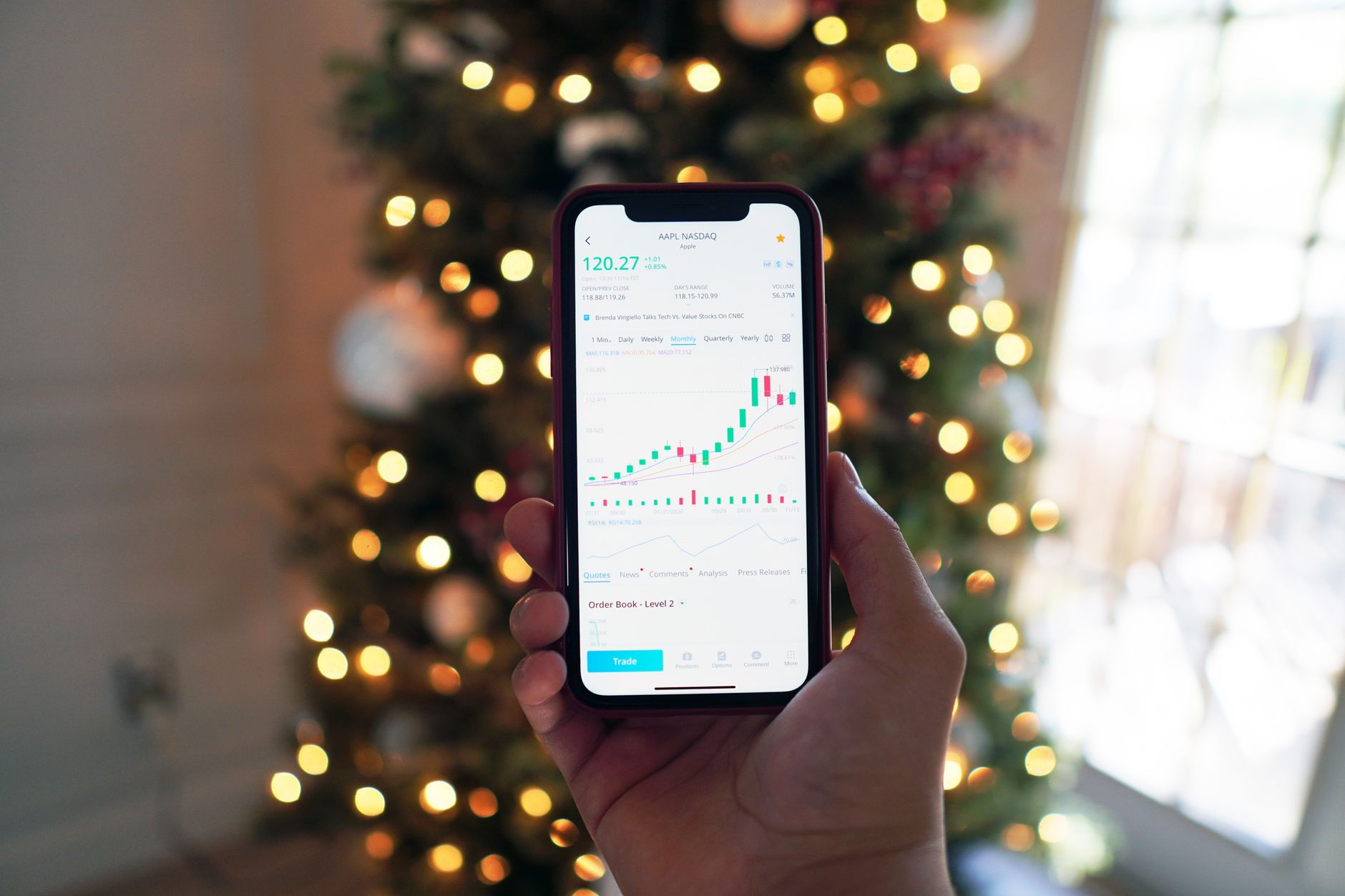
Stock Market Holiday is observed on November 10, leading to the closure of NSE and BSE today. Investors are eager to know when trading will resume.
Understanding Stock Market Holidays
The stock market operates on a schedule that includes regular trading sessions as well as designated holidays. Understanding stock market holidays is essential for investors to effectively plan their trading strategies and manage their portfolios. During these holidays, trading on exchanges like the National Stock Exchange (NSE) and the Bombay Stock Exchange (BSE) is halted, which can affect market liquidity and investor sentiment.
Stock market holidays can occur due to various reasons, including:
- National holidays, such as Independence Day or Republic Day.
- Religious observances, which vary by region and culture.
- Special events, like elections or significant commemorations.
For instance, on November 10, the NSE and BSE are closed, marking a significant stock market holiday. This pause can create a temporary shift in trading dynamics, as investors await the next opportunity to buy or sell. It is crucial for investors to keep track of these holidays to avoid confusion and ensure they are making informed decisions during trading sessions.
Moreover, stock market holidays often prompt traders to reassess their investment strategies. Some may view this time as an opportunity to conduct research or adjust their portfolios, while others might consider it a chance to take a break from the daily fluctuations of the market.
Impact of Holidays on Trading
The impact of holidays on trading is significant, as they can lead to reduced market activity and altered trading volumes. Investors often see stock market holidays as a time for reflection and strategy adjustment rather than immediate trading. These breaks allow traders to step back from the daily pressures of the market, potentially leading to more informed decisions when they return.
During stock market holidays, such as the recent closure on November 10, many investors use this time to analyze their portfolios and market trends. This pause can lead to increased volatility in the days immediately following the holiday as traders react to news and changes in sentiment that may have occurred during the break.
It is crucial for investors to consider the following factors when evaluating the impact of holidays on trading:
- Market Sentiment: Holidays can influence investor sentiment, leading to changes in trading strategies.
- Volume and Liquidity: Trading volumes are often lower during holiday-affected periods, which can impact price movements.
- Economic News Releases: Important economic data is often released before or after holidays, affecting trading behavior.
In conclusion, while stock market holidays provide a necessary break, they also create opportunities and challenges that investors must navigate carefully.
Next Trading Session Details
The upcoming trading session following the Stock Market Holiday will resume with significant anticipation from investors and traders alike. Stock exchanges, including the National Stock Exchange (NSE) and the Bombay Stock Exchange (BSE), will reopen for trading on November 13, 2023. This break comes after a recognized holiday that has left many participants eager to analyze market movements and investment opportunities.
During this period of inactivity, market analysts and investors will be contemplating various factors that could influence stock performance. As the economy continues to show signs of recovery and companies report their quarterly earnings, the focus will be on:
- Earnings Reports: Key companies will be announcing their performance, which can sway market sentiment.
- Economic Indicators: Reports on inflation, employment rates, and consumer spending could impact market direction.
- Global Market Trends: Developments in international markets, particularly from the US and Europe, may set the tone for local trading.
As investors prepare for the next trading session, many will be weighing the potential effects of the recent Stock Market Holiday and strategizing their investment plans. The reopening offers a fresh opportunity to engage with the market dynamics and make informed decisions based on the latest economic data and trends.
Why NSE and BSE Are Closed
The National Stock Exchange (NSE) and the Bombay Stock Exchange (BSE) are closed today due to a stock market holiday. This observance is part of a long-standing tradition in the Indian financial markets, allowing traders, investors, and market participants a respite from the fast-paced trading environment.
Stock market holidays are typically declared in accordance with national and regional festivals, which often hold significant cultural importance. Today’s closure is specifically in observance of a public holiday that many across the country celebrate. This pause in trading activities serves multiple purposes:
- Restoration of Balance: By allowing a day off, market participants can recharge and reassess their investment strategies without the constant pressure of market fluctuations.
- Cultural Significance: Holidays reflect the cultural heritage of a nation, and observing them fosters a sense of community among investors and traders.
- Market Stability: Regular holidays contribute to overall market stability, as they prevent excessive volatility that could arise from continuous trading sessions.
Investors should keep track of these stock market holidays, as they can significantly impact trading strategies and investment decisions. Understanding the reasons behind these closures is crucial for anyone looking to navigate the complexities of the financial markets effectively.
Historical Context of Stock Market Holidays
The concept of a stock market holiday is deeply rooted in the traditions and practices of financial markets worldwide. These holidays often align with national celebrations or significant historical events, providing traders and investors time to pause and reflect on market conditions.
Historically, stock exchanges have observed holidays to honor various occasions. For instance, in the United States, the New York Stock Exchange closes on major holidays like Independence Day and Thanksgiving. Similarly, in India, the National Stock Exchange (NSE) and the Bombay Stock Exchange (BSE) also observe holidays that coincide with national festivals such as Diwali and Republic Day.
The rationale behind these holidays goes beyond mere tradition; they serve as a reset for market participants. During these breaks, traders can analyze market trends, reassess strategies, and prepare for upcoming trading sessions. This time away from the screen often leads to a more thoughtful approach to investing in the days following a holiday.
Moreover, the frequency and timing of stock market holidays can impact overall trading volume and volatility. Markets may experience heightened activity just before holidays as investors adjust their positions, while the subsequent trading sessions may show a delayed reaction to news events that occurred during the break.
- Historical significance of holidays in stock trading
- Impact on market behavior
- Strategic planning during breaks
Investor Reactions to Market Closures
Investor reactions to stock market holidays often vary, reflecting a mix of sentiment and strategy. While some investors view these closures as mere interruptions, others see them as opportunities to reassess their portfolios. With the stock market holiday on November 10, many traders took the time to reflect on their investment goals and market conditions.
During such closures, investors typically engage in several activities:
- Research: Many use this time to analyze market trends and economic indicators, seeking insights to inform their next moves.
- Strategic Planning: Investors often revisit their investment strategies, considering adjustments based on recent market performance.
- Consulting Experts: Some may reach out to financial advisors for guidance on navigating market changes, especially in the wake of holidays.
Despite the temporary halt in trading, the sentiment surrounding stock market holidays can significantly influence investor behavior. While some may feel anxious about missing out on potential gains, others find solace in the pause, using it as a chance to regroup. As the markets prepare to reopen, the anticipation builds, and many investors ponder whether it is the right time to invest. Ultimately, the psychological effects of market closures can shape trading strategies for days to come.
Tips for Investing Around Holidays
Investing around Stock Market Holidays can be a strategic decision for many investors. Here are some tips to consider when navigating the market during these periods:
- Research Before Investing: Always conduct thorough research before making investment decisions around holidays. Look into historical trends and how the market has reacted to previous holidays.
- Diversify Your Portfolio: Consider diversifying your investments to mitigate risks. Investing in various sectors can help cushion against market volatility during holiday periods.
- Stay Informed: Keep an eye on market news and updates, especially announcements related to upcoming Stock Market Holidays. Changes in market sentiment can occur rapidly.
- Long-Term Perspective: Focus on long-term goals rather than short-term fluctuations. Holidays can cause temporary disruptions, but maintaining a long-term strategy can yield better results.
- Be Cautious with Volatility: Expect increased volatility around holidays as traders react to news and market closures. Be prepared for sudden changes in stock prices.
- Plan for the Next Trading Session: With markets closed during holidays, plan your trades for the next session. Assess how your investments may be affected when trading resumes.
By following these tips, investors can navigate the challenges and opportunities that arise during Stock Market Holidays effectively.
Future Market Predictions
As investors look ahead to the next trading session following the recent stock market holiday, many are pondering the future market predictions and how upcoming economic factors might influence their investment strategies. The stock market is often characterized by its volatility, and this can be particularly pronounced after periods of closure.
Several key indicators are expected to shape market trends in the near future:
- Economic Data Releases: Upcoming reports on inflation, employment, and consumer spending may provide insights into the health of the economy and influence investor sentiment.
- Corporate Earnings: As companies release their quarterly earnings, positive or negative results can significantly sway stock prices, making it crucial for investors to stay informed.
- Geopolitical Events: Global events, such as trade negotiations or political developments, can impact market stability and investor confidence.
- Interest Rates: Decisions made by central banks concerning interest rates will have profound effects on investment strategies, especially for those considering entering the market after the stock market holiday.
In conclusion, while the stock market holiday provides a pause in trading activities, it also serves as a vital moment for investors to reassess their strategies. Understanding future market predictions can help in making informed decisions as the market reopens.
The Stock Market Holiday often leads to fluctuations in trading volumes, which can create unique investment opportunities. Investors should carefully consider their strategies during a Stock Market Holiday to capitalize on potential market movements.
Photo by Joshua Mayo on Pexels
Read the original
Related reading
Anthropic IPO news: Worst valuation expectations revealed · Bitcoin price prediction: Worst loss as 33,000 BTC hit exchanges · Olectra Greentech Q2 results: A Positive Financial Update