Peter Edwards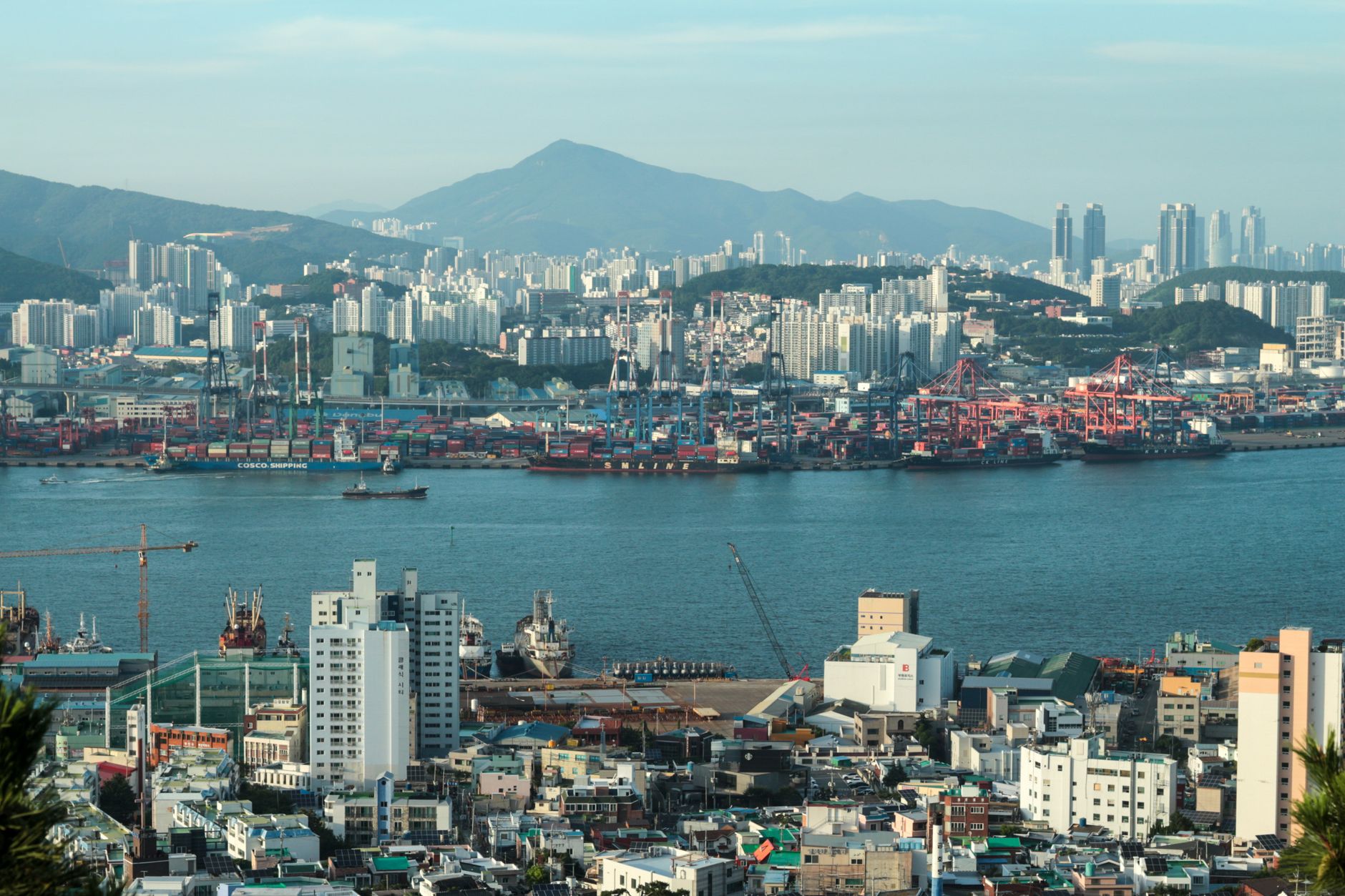
South Korea trading halt has triggered a sharp decline in the KOSPI, which slumped nearly 8%. This market reaction has raised concerns among investors and analysts alike.
Understanding the South Korea trading halt
On a tumultuous day for financial markets, South Korea experienced a significant trading halt that triggered widespread concern among investors. The KOSPI, the country’s benchmark stock index, faced its worst slump in history, plummeting nearly 8% in a single session. This unprecedented decline prompted the South Korean authorities to activate a mechanism known as the “sidecar” trading halt, designed to curb excessive volatility during extreme market fluctuations.
The sidecar mechanism is implemented when the KOSPI index experiences a drastic drop within a short period. This automatic halt allows investors time to assess the market conditions and make informed decisions, thereby preventing panic selling. It serves as a protective measure aimed at stabilizing the financial landscape.
Several factors contributed to the trading halt, including global economic uncertainties and domestic challenges. Analysts pointed out that geopolitical tensions and fluctuations in international markets had a cascading effect on South Korea’s economy. In light of the trading halt, many investors are now reevaluating their strategies, as the implications of such a drastic move resonate throughout the market.
As the situation continues to unfold, market participants are closely monitoring developments, seeking clarity on the factors driving this volatility and the potential long-term impacts of the South Korea trading halt.
Impact of the KOSPI slump on investors
The recent South Korea trading halt has sent shockwaves through the financial markets, particularly affecting investors who have seen significant losses. The KOSPI index, which serves as a benchmark for the South Korean stock market, experienced its worst slump in history, plummeting nearly 8%. This dramatic decline has prompted many investors to reassess their portfolios and strategies.
As the market reopened after the trading halt, investors were met with a wave of uncertainty. The sudden drop in stock values has led to a mix of panic selling and cautious buying, with many trying to capitalize on lower prices. However, the broader economic implications have left some feeling vulnerable.
Key impacts on investors include:
- Loss of Confidence: The sharp decline has raised concerns about the stability of the market and the overall economy, leading to decreased investor confidence.
- Increased Volatility: Investors are experiencing heightened volatility, making it challenging to make informed decisions amid fluctuating prices.
- Strategic Reassessment: Many are re-evaluating their investment strategies, with some considering diversifying their portfolios to mitigate risks.
In summary, the implications of the KOSPI slump extend beyond immediate financial losses, affecting the overall sentiment in the South Korean trading landscape.
Historical context of trading halts
The recent South Korea trading halt marks a significant moment in the nation’s financial history, particularly as it resulted in the worst KOSPI slump in history. Understanding the historical context of trading halts can provide insight into the mechanisms and implications of such events.
Trading halts in South Korea are typically triggered by drastic price movements within a single day. These measures are designed to prevent panic selling and to give investors time to assess the situation. The KOSPI, the main stock market index in South Korea, has faced several notable trading halts over the years, but none have resulted in a decline as steep as the one witnessed recently.
- 2008 Financial Crisis: During this period, the KOSPI experienced multiple trading halts due to global market instability.
- COVID-19 Pandemic: The markets saw significant volatility, prompting trading halts to stabilize prices.
- Recent Economic Challenges: Factors such as inflation, rising interest rates, and geopolitical tensions have led to increased market volatility.
Each of these instances reflects a broader pattern of how external influences can impact the market significantly, leading to necessary protective measures like the recent South Korea trading halt.
Market reactions to economic events
In response to the unprecedented KOSPI slump, South Korea implemented a trading halt, leading to mixed reactions across the financial landscape. Investors expressed concern over the potential long-term effects of this drastic measure, while some analysts highlighted the necessity of the halt to prevent further panic selling.
Market participants noted several key reactions to the South Korea trading halt:
- Investor Anxiety: Many investors are worried about the impact of the trading suspension on liquidity and market confidence. The abrupt halt left numerous traders uncertain about when normal trading would resume.
- Short-Selling Pressure: Some market experts believe that the trading halt may trigger a surge in short-selling once markets reopen, as investors look to capitalize on the volatile conditions.
- Global Market Influence: The South Korean market’s performance can affect regional markets, with neighboring countries watching closely to gauge the spillover effects of the trading halt and KOSPI’s downturn.
- Government Response: Officials have signaled their commitment to stabilizing the market, with potential interventions being discussed to restore investor confidence.
As the situation unfolds, market analysts are closely monitoring investor sentiment and potential recovery strategies in the wake of the historic KOSPI slump.
Future outlook for South Korea’s economy
The recent South Korea trading halt has raised significant concerns regarding the country’s economic future. Analysts are closely monitoring the implications of the KOSPI slump, which witnessed a nearly 8% decline, marking the worst in its history. This unprecedented drop not only affects investors but also raises questions about the broader economic landscape.
Economic experts suggest that the KOSPI slump could lead to a ripple effect, impacting various sectors including manufacturing, technology, and exports. South Korea, known for its robust economy driven by these sectors, may face challenges in maintaining growth momentum. Financial analysts predict that if investor confidence does not recover swiftly, the nation could see a prolonged period of economic instability.
Moreover, the potential for increased unemployment rates and reduced consumer spending looms large. Citizens may tighten their budgets in response to market volatility, which could further constrict economic growth. In light of these developments, it is crucial for policymakers to implement strategies aimed at stabilizing the market.
In conclusion, while immediate recovery plans are essential, the long-term outlook for South Korea’s economy will largely depend on how effectively the government navigates the aftermath of the trading halt and addresses investor concerns.
The recent South Korea trading halt has sent shockwaves through the financial markets, leading to the worst KOSPI slump in history. Investors are grappling with the implications of this South Korea trading halt as they reassess their strategies in an uncertain economic climate.
Photo by Nezaket on Pexels