Peter Edwards
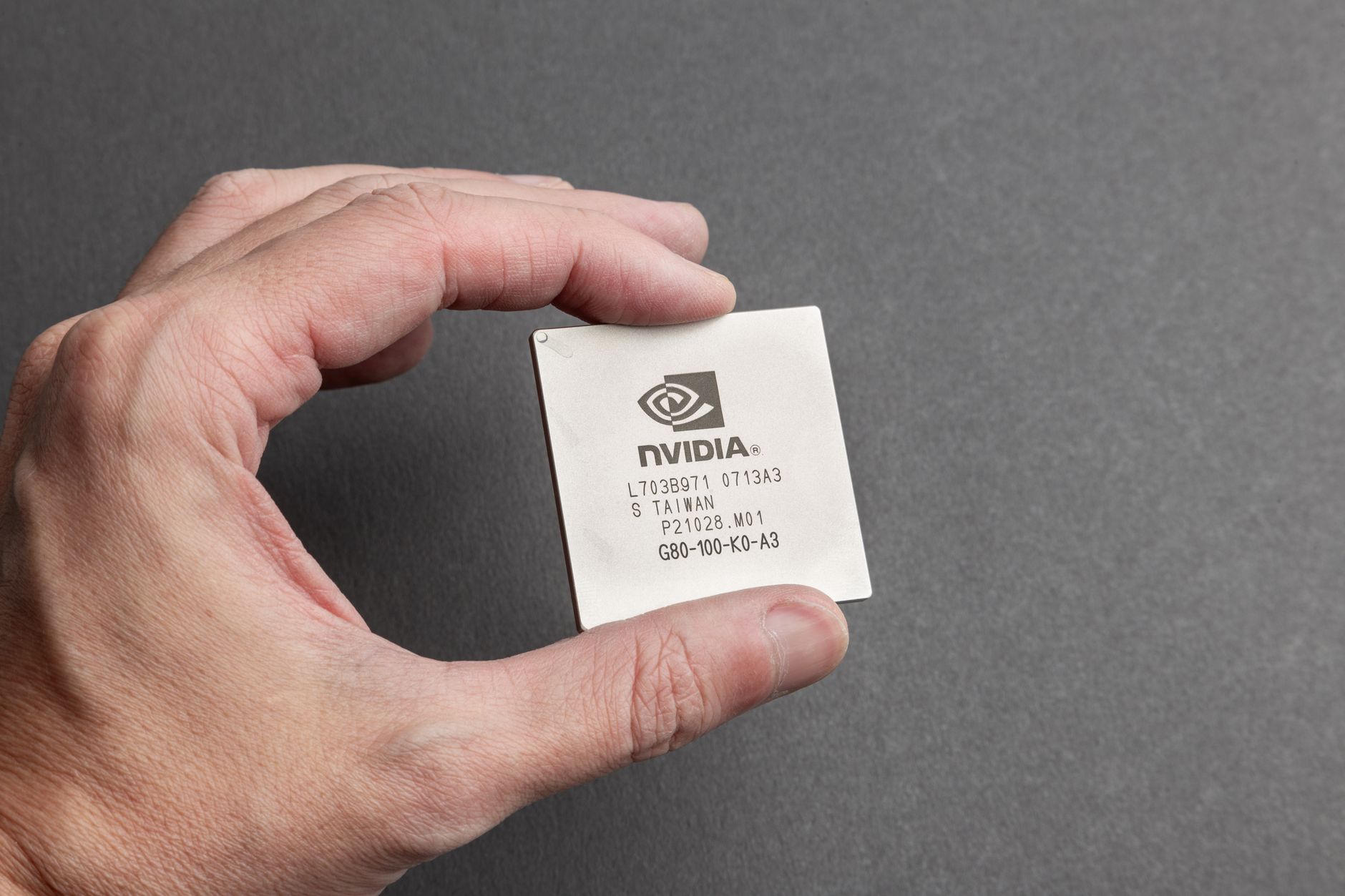
Nvidia Hopper chips are now at the center of controversy as the company halts shipments to China. This decision could have significant implications for the tech industry in the region.
Overview of Nvidia’s Decision
Nvidia’s recent decision to halt shipments of its Hopper chips to China has sent shockwaves through the tech market in the region. This action comes amidst escalating tensions between the United States and China, particularly surrounding technology transfer and national security concerns. The move is seen as a significant setback for Chinese tech companies that rely on advanced semiconductor technology to power their operations.
Industry analysts suggest that the decision could exacerbate the already strained relationship between the two nations, as China has been striving to develop its own semiconductor capabilities in response to U.S. restrictions. The Hopper chips, known for their cutting-edge performance in artificial intelligence and machine learning applications, were highly sought after by Chinese firms, making this ban particularly impactful.
Furthermore, the halt in shipments may lead to increased competition among Chinese companies to source alternative technologies, potentially stifling innovation and progress within the market. As a result, many stakeholders are expressing concerns about the long-term implications of Nvidia’s decision on the overall growth and sustainability of the Chinese tech landscape.
In summary, the suspension of Hopper chips to China signifies a critical juncture in U.S.-China tech relations, with far-reaching consequences for the future of technology in the region.
Impact on China’s Tech Industry
The recent decision by Nvidia to halt shipments of its Hopper chips to China has sent shockwaves through the country’s tech industry. This move is expected to have significant repercussions for various sectors reliant on advanced computing technologies.
Several factors contribute to the negative impact on China’s tech market:
- Supply Chain Disruption: Many companies in China depend on Nvidia’s technology for their operations. The stoppage will disrupt production lines and delay projects.
- Loss of Competitive Edge: Without access to the latest Nvidia Hopper chips, Chinese firms may struggle to keep pace with global competitors who continue to innovate and advance their technologies.
- Investment Decline: Reduced access to critical components like Hopper chips could result in decreased foreign investments in China’s technology sector as firms reassess the risks associated with operating in a constrained environment.
- Innovation Stagnation: The inability to leverage cutting-edge AI and machine learning capabilities may hinder the development of new technologies, affecting long-term growth prospects.
As these challenges unfold, the ramifications of Nvidia’s decision are likely to resonate throughout China’s tech landscape for years to come.
Jensen Huang’s Controversy Explained
The controversy surrounding Jensen Huang, CEO of Nvidia, has intensified following the company’s decision to halt shipments of its Hopper chips to China. This move comes amid increasing scrutiny over the implications of advanced semiconductor technologies in the geopolitical landscape.
Huang’s comments during various press conferences have raised eyebrows, particularly regarding the balance between innovation and national security. Many industry experts suggest that Huang’s statements indicate a shift in Nvidia’s strategy, one that prioritizes compliance with U.S. regulations over expansion in the Chinese market.
The cessation of Hopper chip shipments is poised to have significant implications for Chinese tech firms that rely on these advanced processors for AI and deep learning applications. The chips are vital for various industries, including telecommunications, automotive, and data centers.
Amidst this backdrop, critics argue that the move could stifle technological progress in China, potentially widening the gap between U.S. and Chinese capabilities. As Nvidia navigates this complex landscape, stakeholders are left questioning the long-term impact of such decisions on the global tech ecosystem.
In summary, the controversy surrounding Huang underscores the delicate interplay between technology, politics, and market dynamics.
Future of Nvidia in China
The future of Nvidia in China is increasingly uncertain following the recent halt in shipments of its Hopper chips. This decision comes amid escalating tensions and regulatory scrutiny surrounding technology transfers to the region. Analysts predict that the absence of these advanced chips will significantly impact Chinese tech companies reliant on Nvidia’s products for artificial intelligence and high-performance computing applications.
As Nvidia pivots its strategy, the following factors are likely to shape its future in the Chinese market:
- Regulatory Environment: Ongoing trade restrictions and export controls could further limit Nvidia’s operations in China, forcing the company to adapt its business model.
- Competition: Domestic Chinese chip manufacturers may seize this opportunity to fill the void left by Nvidia, potentially accelerating the development of local alternatives.
- Partnerships: Nvidia may need to rethink its partnerships, focusing on collaboration with companies that align with its strategic goals while navigating compliance challenges.
- Innovation: The company might invest in research and development to create products that meet the specific needs of the Chinese market without breaching regulations.
Ultimately, Nvidia’s ability to adapt will determine its future viability in one of the world’s largest technology markets.
Market Reactions to Shipping Halt
The recent announcement regarding the halt of Nvidia Hopper chips shipments to China has sent shockwaves through the tech market. Many industry analysts are closely monitoring the situation, as the decision reflects broader tensions between the U.S. and China, particularly in the technology sector.
Market reactions have been swift and severe, with several Chinese tech companies seeing a notable drop in their stock prices. Investors are concerned about the long-term ramifications of losing access to advanced computing chips, which are essential for artificial intelligence and machine learning applications. Analysts suggest that this shipping halt will not only impact Nvidia but also significantly affect China’s position in the global tech landscape.
In response, some industry experts have predicted a potential shift in strategy among Chinese tech firms, who may now look to alternative suppliers or invest in developing local capabilities. This could lead to a longer-term disruption in the market, as firms scramble to adapt to the absence of Nvidia Hopper chips.
- Stock prices of major Chinese tech firms have declined.
- Concerns about supply chain disruptions are escalating.
- Potential shifts towards alternative suppliers are being considered.
Potential Alternatives for China
The halt in shipments of Nvidia Hopper chips to China has prompted industry experts to explore potential alternatives for Chinese tech companies facing significant disruptions. As these companies grapple with the sudden loss of access to advanced AI and data processing capabilities, several options may emerge to mitigate the impact.
Potential alternatives include:
- Local Semiconductor Development: China has been investing heavily in its semiconductor industry, aiming to produce competitive chips domestically. Companies like Huawei and Alibaba are ramping up efforts to develop their own alternatives.
- Partnerships with Global Suppliers: Chinese firms might seek partnerships with non-U.S. chip manufacturers, such as Taiwan’s TSMC or South Korea’s Samsung, to source similar technology.
- Open-Source Solutions: The tech community may turn to open-source platforms, which can offer flexible and customizable options without the restrictions associated with proprietary technologies.
- Focus on Alternative Architectures: Companies may also explore alternative computing architectures, such as those based on RISC-V, to reduce reliance on Nvidia’s offerings.
While these alternatives can provide temporary relief, the long-term ramifications of Nvidia’s decision on China’s tech innovation trajectory remain to be seen.
Conclusion: What’s Next for Nvidia
The recent decision by Nvidia to halt shipments of its Hopper chips to China has sent shockwaves throughout the tech industry. This move, driven by geopolitical tensions and regulatory pressures, raises significant questions about the future of Nvidia’s presence in one of the largest tech markets in the world.
As companies scramble to adapt to the new landscape, analysts are divided on what this means for Nvidia’s long-term strategy. Some believe that the tech giant may pivot toward strengthening its relationships with other markets, while others argue that the loss of China could hinder its growth potential significantly.
In light of these developments, it is crucial to consider the implications for both Nvidia and its partners. The increased competition in the semiconductor space may lead to innovation, but it could also spur price wars and volatility within the industry.
Moreover, Nvidia’s next steps will likely depend on the evolving geopolitical climate. If tensions ease, there may be a path for the company to re-enter the Chinese market. However, the current situation underscores the fragility of global supply chains and highlights the importance of strategic planning for tech companies moving forward.
The introduction of Nvidia Hopper chips has raised concerns about their worst impact on the China tech market. As companies scramble to adapt, the repercussions of Nvidia Hopper chips may be felt for years to come.
Photo by Stas Knop on Pexels
Sources
Related stories
Oil and Gas Block Transfer: Wrong Signal for Investors · Disney Stock Earnings Beat: Proven Strategies for Investors · Bitcoin ETF flows: Proven strategies to revive crypto sentiment