Roger Harris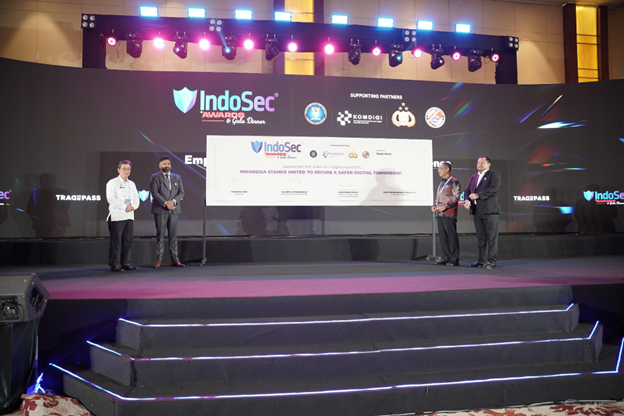
In the digital-first world today, we have never experienced a bigger risk to businesses than the rise of cyber threats that are becoming more advanced and common. Data breaches and ransomware attacks are only some of the weaknesses that may occur at any stage of the digital infrastructure of an organization. Cybersecurity cannot be reinforced as a technical choice, but as a strategic necessity, which influences business resilience, brand image, and legal requirements. Business organisations should have a multi-layered and proactive strategy to guard highly sensitive data, safe systems of operations, and ensure the confidence of stakeholders. With the integration of advanced technology, extensive policies, and information to the staff, the organizations can predict such threats and reduce possible harm.
This blog examines viable solutions to improving the state of Indonesia cybersecurity in the fast-moving digital world, which provides insights into how enterprises can protect themselves without losing competitiveness.
Adopting Advanced Security Technologies
An effective cybersecurity plan is not just about technology but it involves a methodical way of detecting, evaluation and reduction of risks. Risk assessments are effective in assisting organizations to identify areas that are weak in networks, applications and operational processes. The companies should prioritize resources to secure critical assets at first and then classify the threats according to the potential impact. Creating an official incident response plan would help teams to respond decisively in case of an attack minimizing financial and reputational losses. Nonstop monitoring and penetration testing also confirm the efficiency of the security measures and identify the areas in which the security measures have to be improved. The role of leadership cannot be ignored because the risk management should be part of the general corporate governance.
Through a culture of active and proactive risk-awareness, organizations reduce the number of potential vulnerabilities, and enhance operational resiliency to the changing digital threats. This strategy would make cybersecurity a proactive business strategy rather than a responsive one.
Implementing Comprehensive Risk Management
An effective cybersecurity plan is not just about technology but it involves a methodical way of detecting, evaluation and reduction of risks. Risk assessments are effective in assisting organizations to identify areas that are weak in networks, applications and operational processes. The companies should prioritize resources to secure critical assets at first and then classify the threats according to the potential impact. Creating an official incident response plan would help teams to respond decisively in case of an attack minimizing financial and reputational losses. Nonstop monitoring and penetration testing also confirm the efficiency of the security measures and identify the areas in which the security measures have to be improved. The role of leadership cannot be ignored because the risk management should be part of the general corporate governance.
Through a culture of active and proactive risk-awareness, organizations reduce the number of potential vulnerabilities, and enhance operational resiliency to the changing digital threats. This strategy would make cybersecurity a proactive business strategy rather than a responsive one.
Fostering Employee Awareness and Accountability
The most advanced tools cannot help to avoid breaches in case the employees do not know their contribution to the maintenance of digital security. Among the major reasons that result in cyber incidents, regardless of phishing attacks, weak passwords, or mismanagement of sensitive information, there is human error. Developing formal training helps to train employees on ideal practices, new threats, and safe digital habits. Simulation of scenarios can train employees on the real-life events, which will enhance the knowledge gained with the help of real-life exercises. It is also necessary to involve leadership to establish expectations and focus on the security of all departments. Promoting responsibility will make the issue of cybersecurity not the responsibility of the IT teams but it needs to be incorporated into the culture of the company.
Employees having a more active role in data and systems protection will provide organizations with an extra protection level that supplements the technical one, eventually decreasing the risk of attacks and increasing resiliency in general.
Establishing Governance and Compliance Frameworks
One of such essential elements of enhancing cybersecurity in the modern digital world is regulatory compliance. Companies have to negotiate within legal frameworks that are not simple to understand and comprehend in data protection, privacy, and industry-related security standards. The adoption of governance structures will make the policies accountable, documented, and evaluated continuously. The regular audits and risk reviews confirm the compliance with the internal and external requirements and also indicate the areas that need to be improved. Data classification, access control and incident reporting procedures should have clear protocols to promote transparency and accountability in operations. The cooperation with the industry organizations and involvement in professional forums may also be a source of valuable information on the new best practices.
Those companies that embrace the combination of governance and compliance in their cybersecurity practice not only minimize the risk of fines and negative reputation but also build a base to a sustainable development and trust of stakeholders in an ever more digitalized market.
Conclusion
To build a more robust cybersecurity during a digital era, it is necessary to have a multi-layered strategy that involves the integration of sophisticated technology, formalized risk management, involvement of the employees, governance, and strategic alliances. The organizations that incorporate these aspects are able not only to secure the vital assets but also to strengthen the confidence of stakeholders and business continuity. In a world where cyber threats are getting more advanced and widespread, it is necessary to take proactive actions to stay competitive and resilient. Keeping up with the current trends by participating in specialized events in cybersecurity and forums can enable the businesses to foresee the new risks and implement new defensive measures.
Indosec can be attended by people who want to obtain practical information and state-of-the-art solutions related to digital security and share their knowledge on how to be better prepared and improve the overall cybersecurity frameworks.

 Peter Edwards