Peter Edwards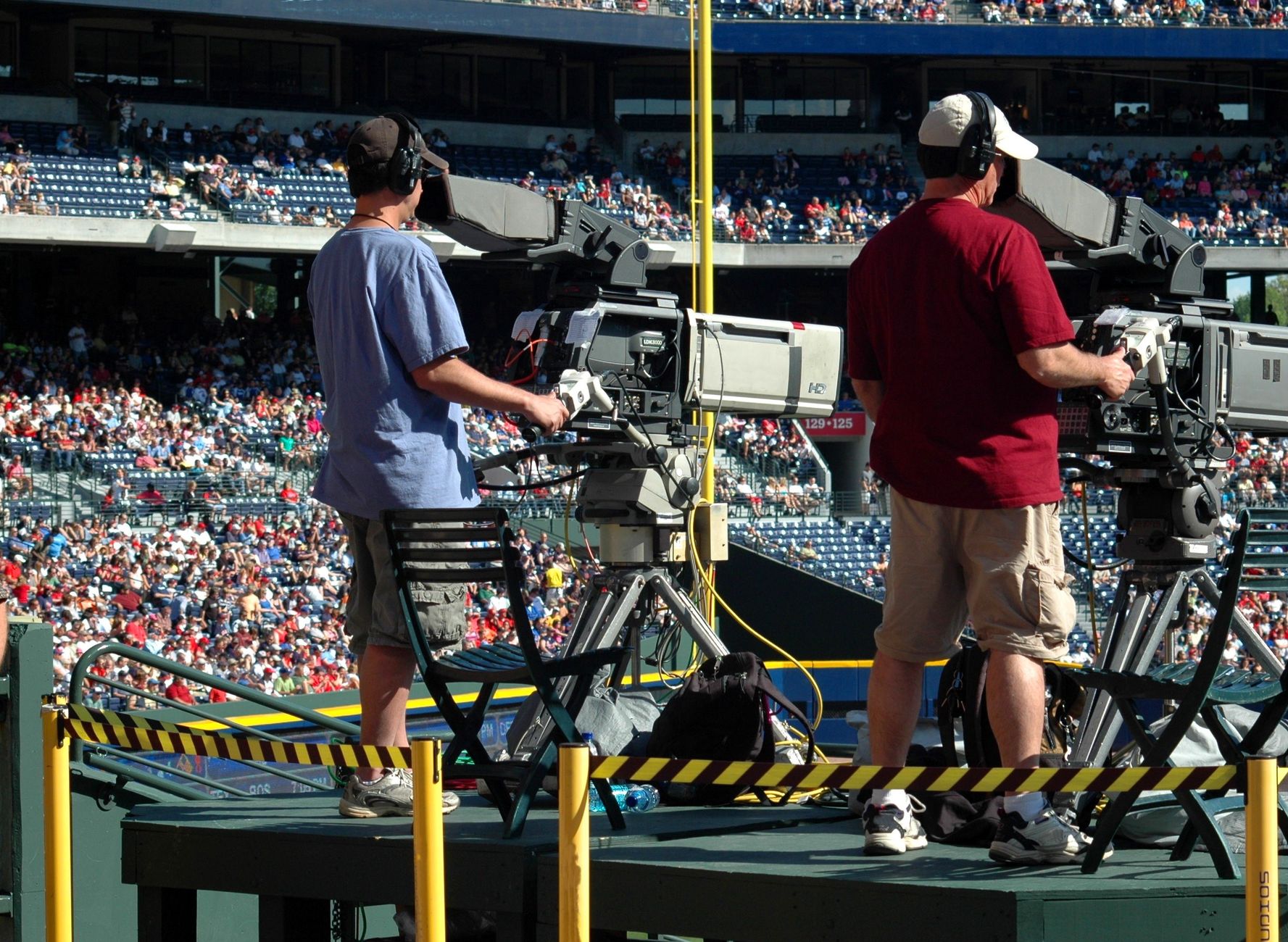
Broadcasting Rules 2026 are set to transform the media landscape in India, focusing on ownership structures that could impact investors significantly.
Understanding India’s Broadcasting Rules 2026
The Broadcasting Rules 2026 are poised to transform the media landscape in India, particularly regarding ownership structures and regulations. These rules aim to create a more equitable environment for investors while ensuring diverse content dissemination across various platforms.
One of the key aspects of the Broadcasting Rules 2026 is the emphasis on ownership transparency. This initiative seeks to prevent monopolistic practices and encourage a competitive market by mandating disclosure of ownership stakes in broadcasting entities. Investors will need to be aware of the implications of these regulations on their current and future investments.
Moreover, the proposed rules introduce guidelines that address content diversity and regional representation. By fostering a range of voices in the media, the Broadcasting Rules 2026 aim to cater to India’s multifaceted society.
Investors are encouraged to stay informed about these developments as they could significantly impact the broadcasting sector. As the regulatory framework evolves, understanding the nuances of the Broadcasting Rules 2026 will be crucial for making informed investment decisions.
In summary, the Broadcasting Rules 2026 present both challenges and opportunities for investors, with ownership transparency and content diversity at the forefront of these changes.
Impact of New Regulations on Investors
The Broadcasting Rules 2026 are set to significantly reshape the landscape for investors in India’s media sector. These new regulations emphasize ownership structures, aiming to create a more transparent and competitive environment. As a result, investors need to be aware of several crucial factors that could impact their strategies.
- Ownership Limits: The new rules introduce restrictions on ownership percentages among various media entities. This means that investors may need to reconsider their current holdings and partnerships to comply with these regulations.
- Increased Scrutiny: Regulatory bodies will conduct thorough evaluations of ownership structures, ensuring that no single entity can dominate the market. This could lead to a more level playing field, but also adds a layer of complexity for investors.
- Market Opportunities: While the Broadcasting Rules 2026 may impose challenges, they also open up new avenues for investment. Emerging platforms and independent media outlets could attract funding as traditional players adapt to the new environment.
- Risk Management: Investors must develop strategies to mitigate risks associated with regulatory changes. Staying informed and agile will be key to navigating the evolving landscape.
In summary, the Broadcasting Rules 2026 present both challenges and opportunities for investors willing to adapt to the changing media ownership dynamics.
Key Changes in Media Ownership
The Broadcasting Rules 2026 introduce significant changes to media ownership, aiming to enhance transparency and promote fair competition. These changes are expected to reshape the landscape for investors looking to navigate the evolving media environment.
One of the key modifications is the introduction of ownership caps. These caps will limit the number of media outlets an individual or entity can own, ensuring a more diverse media ecosystem. This move is designed to prevent monopolistic practices and encourage a variety of viewpoints in the media.
Additionally, the new rules emphasize foreign investment in media. Under the Broadcasting Rules 2026, foreign entities will face adjusted limits on ownership stakes, opening doors for international players while maintaining safeguards for domestic interests. This shift may entice foreign investors seeking to capitalize on India’s growing media market.
Moreover, transparency in financial reporting is set to improve under the new regulations. Media companies will be required to disclose their ownership structures and financial dealings more comprehensively, enabling investors to make informed decisions.
In summary, the Broadcasting Rules 2026 reflect a significant shift towards a more regulated and equitable media ownership structure, presenting both challenges and opportunities for investors in this dynamic sector.
What Investors Need to Know
As the landscape of media ownership evolves, investors must stay informed about the Broadcasting Rules 2026, which are set to reshape the broadcasting sector in India. The new regulations aim to enhance transparency and promote fair competition, ultimately impacting investment decisions.
Here are some critical insights for investors:
- Regulatory Compliance: Investors need to ensure that their media ventures comply with the new broadcasting rules, which might involve restructuring ownership or adjusting business practices to align with regulatory expectations.
- Market Opportunities: With changes in ownership regulations, new opportunities may arise for both domestic and foreign investors, especially in emerging digital platforms.
- Risk Assessment: Understanding the implications of the Broadcasting Rules 2026 is essential for assessing potential risks. Investors must evaluate how these regulations could impact existing investments and future projects.
- Potential for Consolidation: The new rules might encourage consolidation in the sector, leading to fewer but stronger players. This could be a strategic consideration for investors looking to enter or expand their presence in the market.
Overall, a thorough understanding of the Broadcasting Rules 2026 is vital for investors aiming to navigate the complexities of India’s broadcasting landscape successfully.
Future Trends in Broadcasting
The landscape of broadcasting is evolving rapidly, with the Broadcasting Rules 2026 set to redefine the industry. As technology advances and consumer preferences shift, several future trends are emerging that investors should closely monitor.
- Increased Digital Integration: With the rise of streaming platforms, traditional broadcasting is blending with digital media. This shift is prompting companies to adopt hybrid models that cater to a diverse audience.
- Focus on Local Content: There is a growing demand for localized programming. As the Broadcasting Rules 2026 emphasize regional content, investors may find opportunities in companies that specialize in local productions.
- Adoption of AI and Data Analytics: The use of artificial intelligence and data analytics is becoming crucial for content creation and audience engagement. Investors should consider companies that leverage technology to enhance viewer experience.
- Consolidation in the Industry: As regulations evolve, mergers and acquisitions may increase. Investors should watch for strategic partnerships that can reshape market dynamics.
Understanding these trends will be vital for investors looking to navigate the changing broadcasting landscape effectively. By anticipating shifts in consumer behavior and regulatory impacts, they can make informed decisions that align with the Broadcasting Rules 2026.
Photo by Pixabay on Pexels