Peter Edwards
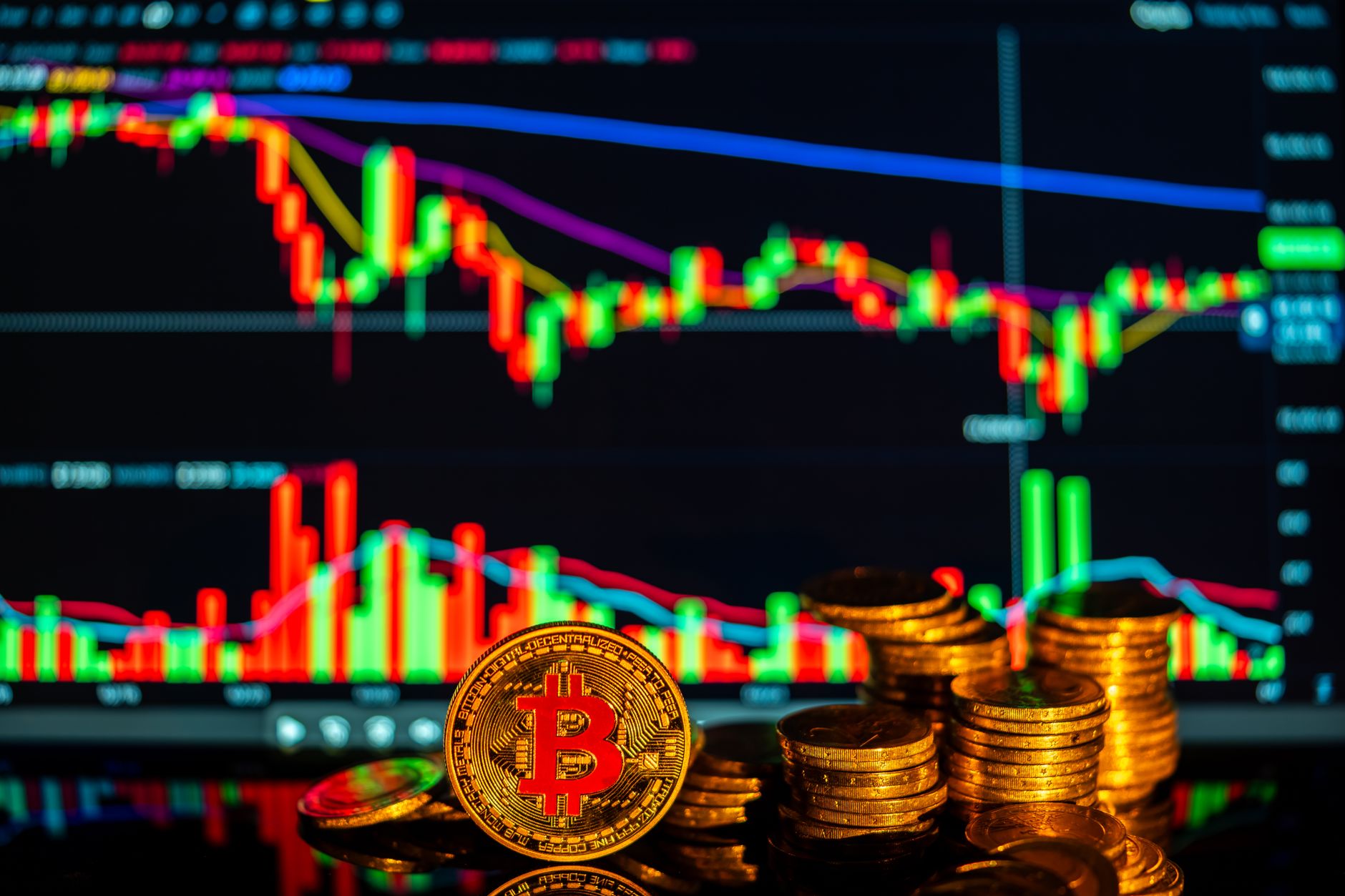
Binance delisting altcoins has caused a significant stir in the crypto market. The recent decision has led to price decreases of up to 10% within minutes for affected cryptocurrencies.
Understanding Binance’s Delisting Policy
Binance, one of the largest cryptocurrency exchanges in the world, has a stringent delisting policy that significantly impacts altcoin prices. The exchange periodically reviews its listed assets to ensure compliance with regulatory standards, liquidity requirements, and overall project viability. When an altcoin is identified for delisting, it can lead to immediate and severe market reactions.
The recent delisting of two altcoins from Binance serves as a stark reminder of the volatility within the crypto market. Following the announcement, these assets experienced declines of up to 10% within minutes. Such rapid price drops illustrate the importance of staying informed about exchange policies and market trends.
There are several key factors that Binance considers when deciding to delist an altcoin:
- Regulatory Compliance: Assets must adhere to local laws and regulations.
- Trading Volume: Low trading volumes can result in delisting to maintain a healthy marketplace.
- Project Viability: The project behind the altcoin must show signs of ongoing development and community support.
These criteria highlight the need for investors to conduct thorough research before investing in altcoins, especially as Binance delisting altcoins can lead to significant financial losses within a matter of moments.
Impact of Delisting on Altcoin Prices
The recent wave of Binance delisting altcoins has sent shockwaves through the cryptocurrency market, impacting the prices of several lesser-known digital assets. Investors are closely monitoring the aftermath of these delistings, as the immediate consequences have been severe.
When Binance, one of the largest cryptocurrency exchanges, announces the removal of specific altcoins, the market often reacts swiftly. In the latest instance, two altcoins experienced price drops of nearly 10% within minutes of the announcement. This rapid decline highlights the volatile nature of the cryptocurrency market and the significant role that major exchanges play in determining price stability.
The impact of delisting can be attributed to several factors:
- Loss of Accessibility: Being delisted from a major exchange limits the ability of investors to buy or sell the affected altcoins, creating a sense of panic.
- Decreased Liquidity: With fewer platforms available for trading, liquidity diminishes, leading to wider price fluctuations.
- Negative Sentiment: Delistings can trigger negative perceptions about the future of an altcoin, prompting investors to sell off their holdings.
As the market continues to respond to these developments, the long-term effects of Binance’s delistings on altcoin prices remain to be seen.
Market Reactions to Binance’s Decision
In the wake of Binance’s recent announcement regarding the delisting of several altcoins, market reactions have been swift and severe. Investors and traders closely monitoring the situation have noted significant price drops across various affected cryptocurrencies. Specifically, two altcoins experienced declines of up to 10% within minutes of the news breaking, showcasing the immediate impact of Binance’s decision on market sentiment.
Many in the crypto community expressed concerns over the potential long-term implications of such delistings. Market analysts suggest that the Binance delisting of altcoins not only affects the liquidity of these assets but also instills a sense of fear among investors. This fear can lead to panic selling, exacerbating the price decline.
Additionally, the delisting triggers a broader discussion about regulatory compliance and the future of altcoin trading on major platforms. As Binance holds a significant share of the crypto trading market, its policies play a crucial role in shaping investor confidence. Some traders are now reevaluating their portfolios, opting to move funds into more established cryptocurrencies to mitigate risk.
In conclusion, the immediate market reactions to the Binance delisting of altcoins highlight the interconnected nature of cryptocurrency trading and investor sentiment. As the situation continues to unfold, all eyes will be on how other exchanges respond and the long-term effects on the altcoin market.
Strategies for Investors After Delisting
As Binance continues to implement its stringent delisting policy, investors must adapt their strategies to navigate the turbulent waters of the altcoin market. With Binance delisting altcoins leading to significant price drops, it is essential for traders to stay informed and proactive.
One effective strategy is to conduct thorough research before investing in altcoins. Understanding the fundamentals of a project, its use case, and market potential can help investors make informed decisions. Additionally, keeping an eye on exchanges and their policies can provide insights into potential risks.
Another approach is to diversify investment portfolios. By spreading investments across multiple assets, investors can mitigate risks associated with sudden market shifts caused by delistings. This strategy allows for potential gains in other altcoins when some may face adverse impacts from exchange decisions.
Moreover, setting stop-loss orders can protect investors from steep losses when volatility strikes. Implementing these orders can help minimize risk and safeguard capital during uncertain times.
Lastly, staying connected with the crypto community through forums and social media can provide real-time updates and sentiment analysis. Engaging with other investors can foster a better understanding of the market dynamics following significant events, such as Binance delisting altcoins.
Future of Affected Altcoins
The future of affected altcoins following recent Binance delisting announcements remains uncertain, as market sentiment shifts rapidly in response to such news. Many investors are left contemplating the long-term viability of these cryptocurrencies after they lose their trading pairs on one of the largest exchanges in the world.
According to analysts, delisting from Binance can significantly impact an altcoin’s liquidity and market perception. The immediate aftermath of a delisting often sees prices plummet, as evidenced by the recent case where two altcoins dropped as much as 10% within minutes of the announcement. This trend raises concerns among investors who had previously considered these altcoins to be promising alternatives to more established cryptocurrencies.
As the industry evolves, the importance of robust trading platforms becomes increasingly evident. Affected altcoins may struggle to regain their footing if they cannot establish a presence on other exchanges or attract sufficient interest from traders. In some cases, projects may need to focus on building stronger communities or expanding their utility to regain lost traction.
- Market Recovery: Some altcoins may experience a rebound if they can adapt quickly and demonstrate resilience.
- Investor Sentiment: The perception of these altcoins may shift, leading to a reevaluation of their potential.
- Regulatory Factors: Compliance with regulations may play a crucial role in their future success.
Ultimately, the future of affected altcoins will depend on their ability to navigate the challenges posed by Binance delisting and the broader market landscape.
The recent Binance delisting altcoins has sent shockwaves through the cryptocurrency market, as traders scramble to assess their losses. Many investors are now questioning the long-term viability of altcoins in light of the Binance delisting altcoins trend.
Photo by Jonathan Borba on Pexels
References
Bytes shares drop: The Worst Proven Acquisition Impact · 2027 COLA: Will It Increase Your Federal Income Taxes? · AI Deeptech Fund: Nandan Nilekani’s ₹3,000 Cr Investment