Peter Edwards
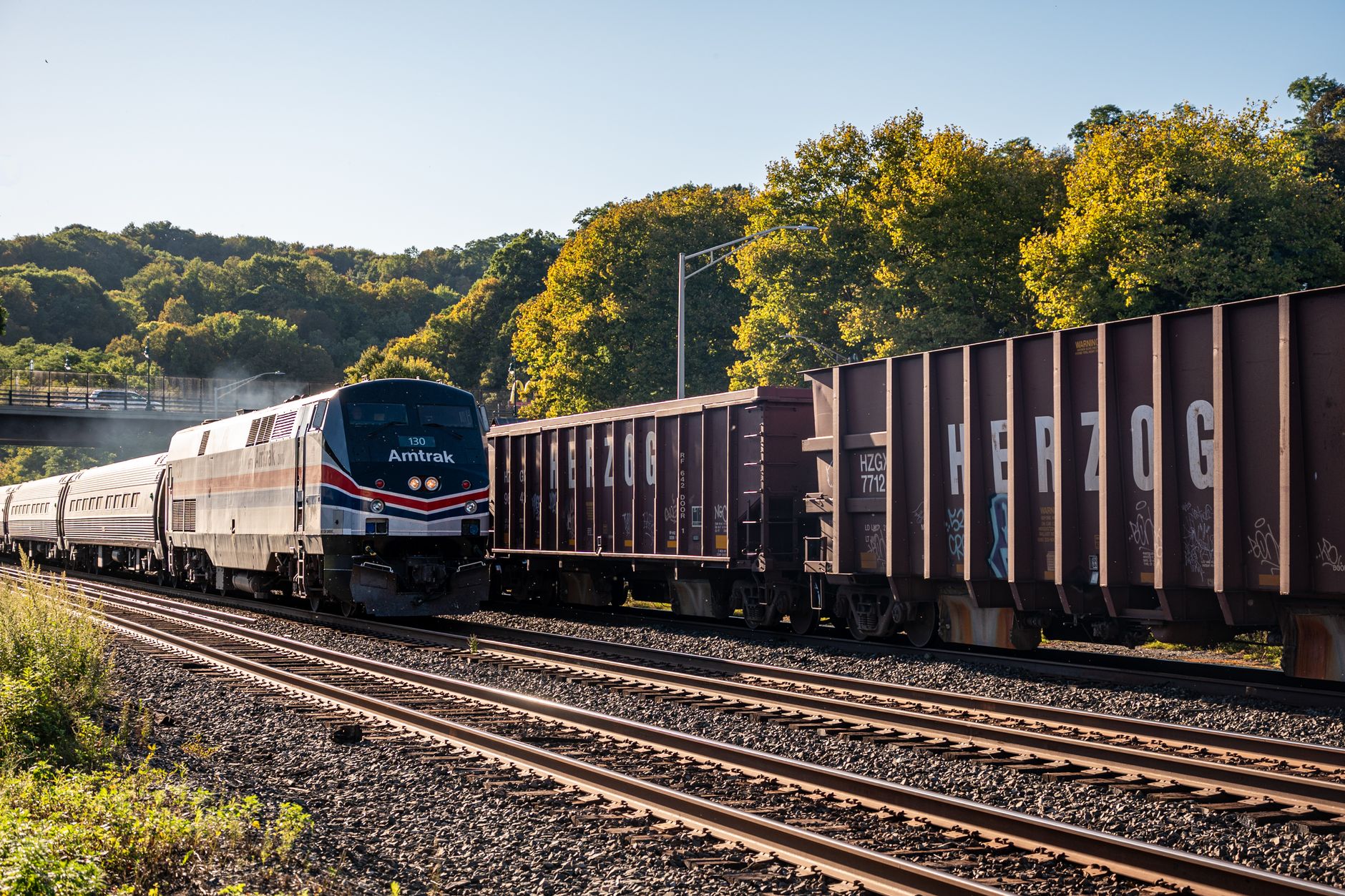
railway stocks fall has become a hot topic among investors following recent market trends. Experts are now debating whether this dip presents a buying opportunity.
Current Market Trends
Recent market trends indicate a noticeable decline in railway stocks, with major players like IRCTC, RVNL, IRFC, RailTel, and IRCON seeing drops of up to 3%. This downturn has raised questions among investors about the potential for purchasing these stocks at lower prices. Amidst this fluctuation, experts are divided on whether now is the right moment to invest.
Several analysts suggest that the fall in railway stocks could present a buying opportunity, particularly given the sector’s long-term growth potential. They emphasize the importance of evaluating individual company fundamentals and market conditions before making any investment decisions. Key factors influencing the current market include:
- Recent earnings reports: Many railway companies have recently released their quarterly earnings, with mixed results impacting investor sentiment.
- Government initiatives: Increased spending on infrastructure and modernization in the railway sector could bolster future growth.
- Market sentiment: Broader economic indicators and investor confidence play a significant role in shaping stock performance.
While the current dip in railway stocks may give some investors pause, others view it as an opportunity to capitalize on lower prices. As always, those considering an entry point into this market segment are advised to conduct thorough research and consider their financial goals before acting on the recent trends.
Expert Opinions on Railway Stocks
Experts have weighed in on the recent decline in railway stocks, with many suggesting that the current dip could present potential buying opportunities for investors. The recent fall in railway stocks has raised concerns among market participants, prompting analysts to share their insights on the situation.
According to Rajesh Kumar, a senior analyst at a leading brokerage firm, “The recent downturn in railway stocks can be attributed to broader market sentiments and concerns over rising operational costs. However, this dip might be a temporary setback.” He emphasizes the importance of focusing on the long-term growth potential of companies like IRCTC and RVNL.
Meera Singh, the chief investment officer at another financial institution, expressed a more cautious approach. She stated, “While the fall in railway stocks may seem like a good opportunity to buy, investors should carefully consider their risk tolerance and market conditions before making any moves.” She recommends keeping a close eye on the fundamentals of the companies involved.
A consensus appears to be forming among experts that the fall in railway stocks could lead to attractive entry points, particularly for those willing to endure some volatility. As market dynamics continue to evolve, investors are advised to conduct thorough research and remain informed about industry developments.
Is it Safe to Invest Now?
The recent decline in railway stocks has raised questions among investors about whether it is safe to invest now. With railway stocks fall being a trending topic, many are considering the potential risks and rewards of entering the market at this time.
Experts urge caution but also highlight potential opportunities. Some analysts believe that the dip could present a buying opportunity for long-term investors. Key factors to consider include:
- Market Volatility: The current market environment is volatile, and fluctuations in railway stocks can be expected. Investors should be prepared for short-term losses.
- Company Fundamentals: Evaluating the financial health of companies like IRCTC, RailTel, and RVNL is crucial. Strong fundamentals may indicate resilience during downturns.
- Future Projects: Upcoming government projects and infrastructure investments may positively influence railway stocks in the long run.
- Technical Indicators: Chart analysis and technical indicators can provide insights on when to buy. Timing is essential in a fluctuating market.
In conclusion, while the railway stocks fall might deter some investors, others may view it as an opportunity. Careful analysis and a focus on long-term goals can help in making informed decisions in this challenging market.
Understanding the Dip
The recent downturn in the railway sector has raised questions among investors about the potential for recovery and whether this is the worst time to buy. Understanding the dip in railway stocks is crucial for making informed decisions.
Several factors have contributed to the decline in railway stocks, including:
- Economic Uncertainty: Fluctuations in the economy have led to decreased investor confidence, impacting stock prices across various sectors, including railways.
- Regulatory Challenges: Changes in government policies and regulations can create volatility, affecting companies like IRCTC and IRFC.
- Market Sentiment: Negative sentiment surrounding the broader market can lead to a sell-off, pulling down railway stocks, which have fallen up to 3% recently.
Despite these challenges, some experts argue that this may present a buying opportunity. They emphasize the importance of conducting thorough research and considering the long-term potential of railway investments. Railway stocks fall might indicate a temporary setback rather than a lasting decline, especially as infrastructure projects continue to gain traction.
Investors are advised to weigh the risks against potential rewards and stay updated on market trends and expert analyses to navigate these turbulent times effectively.
Future Predictions for Railway Stocks
The recent downturn in railway stocks has raised questions about the future prospects of these investments. Analysts are divided on whether this dip represents a temporary setback or a more prolonged decline. Many investors are keen to know if now is the worst time to buy or if there are opportunities to capitalize on the lower prices.
Several factors could influence the future of railway stocks:
- Economic Recovery: A rebound in economic activity post-pandemic could lead to increased demand for railway services, potentially boosting stock performance.
- Government Policies: Any new infrastructure projects or funding from the government could provide a much-needed lift to railway companies, impacting their stock prices positively.
- Technological Advancements: Innovations in railway technology and operations may lead to improved efficiencies and profitability, which could enhance investor sentiment.
- Market Sentiment: Investor confidence plays a critical role in stock performance. If the sentiment shifts positively towards railway stocks, we could see a rebound.
Despite the recent fall in railway stocks, some experts suggest that this could be an opportune moment for long-term investors. With strategic buying, one might benefit from potential future gains, provided they are willing to ride out the current volatility. However, caution is advised, as the market remains unpredictable.
How to Approach Buying
Investing in railway stocks during a downturn can be challenging, yet it presents unique opportunities for savvy investors. As railway stocks fall, potential buyers should consider several factors before making a decision.
First, it is essential to conduct thorough research on individual companies within the railway sector. Key players such as IRCTC, RVNL, IRFC, RailTel, and IRCON have shown varying performance metrics and future growth potential. Investors should analyze their financial health and market position.
Next, timing is crucial. While the current dip may seem like an attractive entry point, it is vital to assess the reasons behind the decline. A temporary setback due to market sentiment may present a buying opportunity, whereas underlying issues could indicate a longer-term decline.
Additionally, setting a clear investment strategy is beneficial. Consider the following:
- Risk Tolerance: Determine how much risk you are willing to take on.
- Investment Horizon: Assess whether you are looking for short-term gains or long-term growth.
- Diversification: Avoid putting all your funds into a single stock; consider a diversified portfolio.
In summary, as railway stocks fall, a strategic approach can help investors navigate the turbulent waters of the railway sector and potentially capitalize on future gains.
Conclusion and Recommendations
In conclusion, the recent decline in railway stocks has raised several questions among investors regarding the potential for recovery and the right timing to enter the market. With stocks like IRCTC, RVNL, and IRFC witnessing a drop of up to 3%, it is essential for investors to evaluate their strategies carefully.
Experts suggest that while the immediate outlook may appear challenging, the fundamentals of the railway sector remain robust. The ongoing infrastructural developments and increasing demand for rail transport are likely to support long-term growth. Therefore, the current dip presents a potential buying opportunity for those willing to adopt a long-term perspective.
However, it is crucial to approach this with caution. Investors should consider the following recommendations:
- Assess your risk tolerance: Understand your financial situation and how much risk you can bear before investing in railway stocks.
- Diversify your portfolio: Spread investments across various sectors to mitigate risks associated with railway stocks.
- Stay updated: Keep track of market trends and company performance to make informed decisions.
- Consult with experts: Seek advice from financial advisors to tailor your investment strategies based on current market conditions.
Ultimately, while railway stocks fall may seem daunting, strategic planning and informed decision-making can lead to potential gains in the future.
As many investors speculate whether railway stocks fall will continue, analysts suggest that the current market conditions may present a unique buying opportunity. Despite concerns over the downturn, some experts believe that strategic investments in railway stocks fall could yield significant long-term benefits.
Photo by Jackie A on Pexels
Where this came from
LifeMD earnings report: Worst revenue miss despite profit · Octave Q3 earnings: Shares fall despite beating estimates · Print-First Menswear Brand Sees Smart Growth with Funding